The Moon
Moon phase
A moon phase is how much of the Moon's face is lit as it orbits Earth, from new to full and back over about 29 and a half days. The light we see is sunlight on the Moon, and the phase tracks the changing angle between Sun, Moon and Earth. New moons are read as a time for beginnings and fresh starts, full moons for what comes to light and completes.
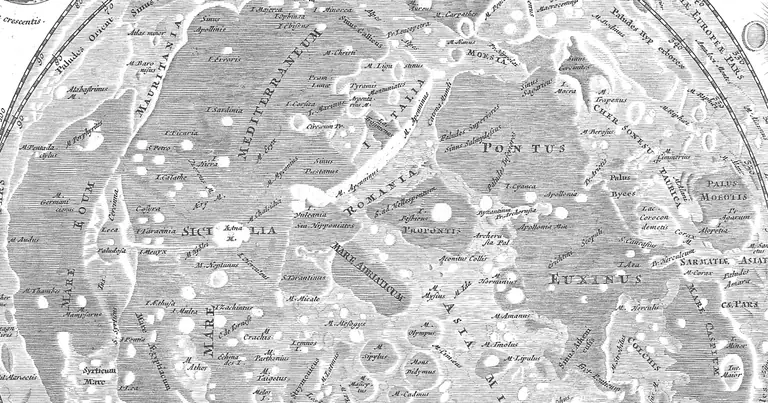
The Moon does not change shape; it changes how much of its lit half we can see. A moon phase names that fraction, the slice of the Moon's sunlit side turned toward Earth on a given night. The cycle runs from dark to full and back, and it is one of the oldest clocks humans have kept.
Eight phases in a 29.5-day cycle
The Moon makes no light of its own. The Sun always lights one half of it, and as the Moon orbits Earth the angle between the three bodies keeps shifting, so we see more or less of that lit half. One full round of phases, new moon to new moon, takes about 29.5 days, a span called the synodic month. Astronomers count eight named phases along the way: new, waxing crescent, first quarter, waxing gibbous, full, waning gibbous, last quarter and waning crescent. Waxing means the lit part is growing and waning means it is shrinking, and the two quarter moons look half lit because they fall a quarter and three quarters of the way through the cycle.
Intentions mapped onto the lunar cycle
Tradition maps intentions onto the cycle. The new moon is for beginnings and quiet planning, the waxing weeks for building, the full moon for culmination and release when feelings run high, and the waning weeks for clearing and letting go. The sign the Moon is passing through tints the mood of each phase, so a full moon in Scorpio is read very differently from one in Libra.
From a Capricorn new moon to a Leo full moon
Follow one loop through early 2026. A new moon fell in Capricorn on 18 January; set an intention there and, in the traditional rhythm, you watch it build as the Moon fattens. About two weeks later, on 1 February, the Moon reached full in Leo, the point where whatever you started is meant to ripen or come to a head. The February 2026 full moon page gives the exact time and what astrologers read into it.
Phase versus sign, and the myth of a dark side
A phase is not a sign. The phase is how lit the Moon is, while the sign is where it sits in the zodiac. A quarter moon looks half, which trips people up, because the name counts the cycle rather than the light. And there is no permanently dark side of the Moon; every part is lit at some point in the month, just not always facing us.
The phase on any date
The NovaOracles lunar calendar shows the Moon's phase for any date, and the moon and eclipses guide walks through reading the cycle. The stretch when the Moon is void of course sits inside this same rhythm.
FAQ
Frequently asked questions
What are the 8 phases of the moon?
New moon, waxing crescent, first quarter, waxing gibbous, full moon, waning gibbous, last quarter and waning crescent. Waxing phases grow toward full, waning phases shrink back to new.
How long is a full moon cycle?
About 29.5 days from one new moon to the next, a span called the synodic month. That is a little longer than the time the Moon takes to circle the zodiac.
What does a waxing crescent mean?
It is the thin sliver of light that appears a day or two after the new moon and grows each night. Astrologers read it as the first push behind a fresh intention.
Sources
Try it
Open the free toolRelated terms
The Journal
Why eclipses matter in a birth chartRead the guide
Moon phases and eclipsesSee how this shows up in your own chart.
Find it in my chart