No. 01 · Basics
Your rising sign, explained
NovaOracles · August 18, 2026
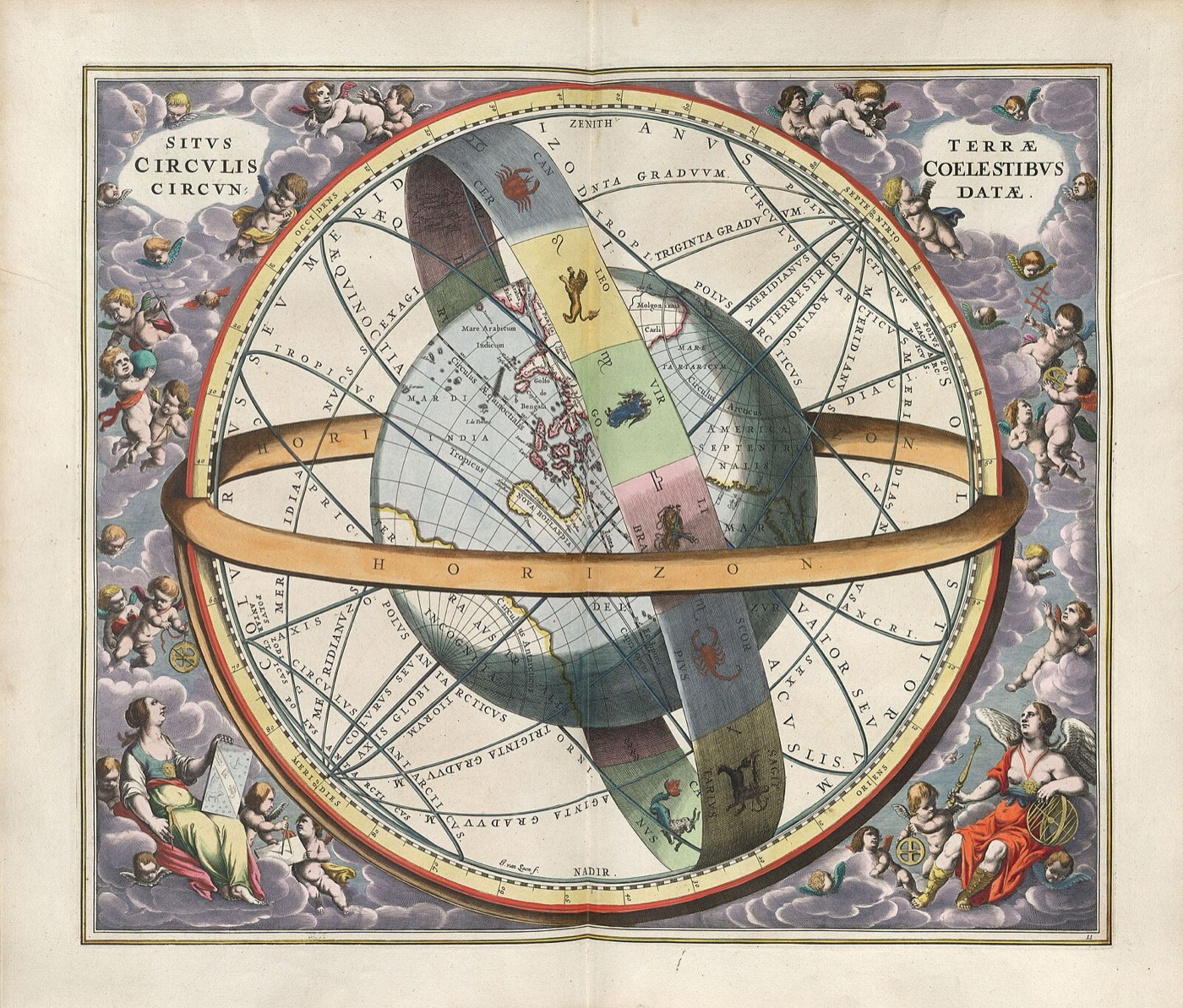
Your rising sign, or ascendant, is the zodiac sign that was climbing over the eastern horizon at the minute you were born. It sets the frame of your whole chart: it decides where your houses begin, and it colors the first impression you make long before anyone meets your Sun.
What the rising sign actually is
The Earth turns once a day, so from where you stand the whole zodiac appears to wheel over the eastern horizon every twenty four hours. The rising sign, or ascendant, is simply the sign that was crossing that horizon at the moment and place of your birth. It is not a planet and not a mood: it is a precise point, calculated from real astronomy, where sky met ground for you.
Because the wheel keeps moving, the ascendant changes sign roughly every two hours. Two people born on the same day, in the same city, can have the same Sun sign and completely different rising signs. That is why the ascendant is the most personal fast moving piece of a natal chart, and why it does most of the work of making your chart yours.
Why your birth time matters so much
The Sun needs about a month to change signs, the Moon about two and a half days. The ascendant needs two hours, and near the cusp it can shift in four minutes. A birth time that is off by half an hour can move your rising sign, and with it the layout of your entire chart. This is why serious astrology always asks for the clock, not just the calendar.
The ascendant also anchors the houses, the twelve slices of the chart that map areas of life: money, work, partnership, home. The rising sign marks the beginning of the first house, and every other house follows from it. Get the birth time right and the planets fall into the right rooms. Get it wrong and the whole floor plan slides.
What your ascendant says about you
In practice, the rising sign describes the surface you present before anyone knows you: your manner, your reflexes, the first read a stranger gets in the opening minute. A Leo Sun with Virgo rising walks in quietly and checks the room before shining. A quiet Cancer Sun with Aries rising arrives like a small weather front. Neither is a mask exactly, more like the door the rest of the chart opens through.
The ascendant also names your chart ruler. The planet that rules your rising sign becomes the steward of the whole chart, and where it sits by sign and house says a lot about the direction your life keeps leaning. This is one of the oldest techniques in astrology, and it only works when the ascendant is computed, not guessed.
How to find your rising sign
You need three facts: date of birth, place of birth, and time of birth as exact as you can get it. A birth certificate is the gold standard; a parent's memory is a decent second. With those in hand, any proper chart calculator can locate the eastern horizon for that minute and read off the sign crossing it.
NovaOracles does this computation from real ephemeris data, down to the degree, and then reads the whole chart around it: houses, chart ruler, aspects. If your time is uncertain, start with your best estimate and notice whether the first house description lands. The ascendant is the one part of astrology you can check against how the world actually meets you.
Read your own sky, not a generic one.
NovaOracles computes your full natal chart from real astronomy: your rising sign, your big three, every house and every aspect, personal to the minute you were born.
Get your full chartRead next
Sun, Moon and rising: who does what